A big thank you to Sara Davies MBE for taking the time to meet with us this week as part of our prize for winning HSBC UK’s National Innovation Award.

The mentoring session was a great opportunity to discuss our journey, our award-winning RAAC strengthening solution, and our plans for the future. It was also helpful to gain Sara’s perspective on innovation, business growth and taking new ideas to market.

We’re grateful for her time, encouragement and the practical advice she shared.

Thanks again, Sara – we really appreciate your support.

P.S. We did try to grab a screenshot of the call… but technology had other ideas!

To read more about the awards click here.

In-Situ RAAC Repairs

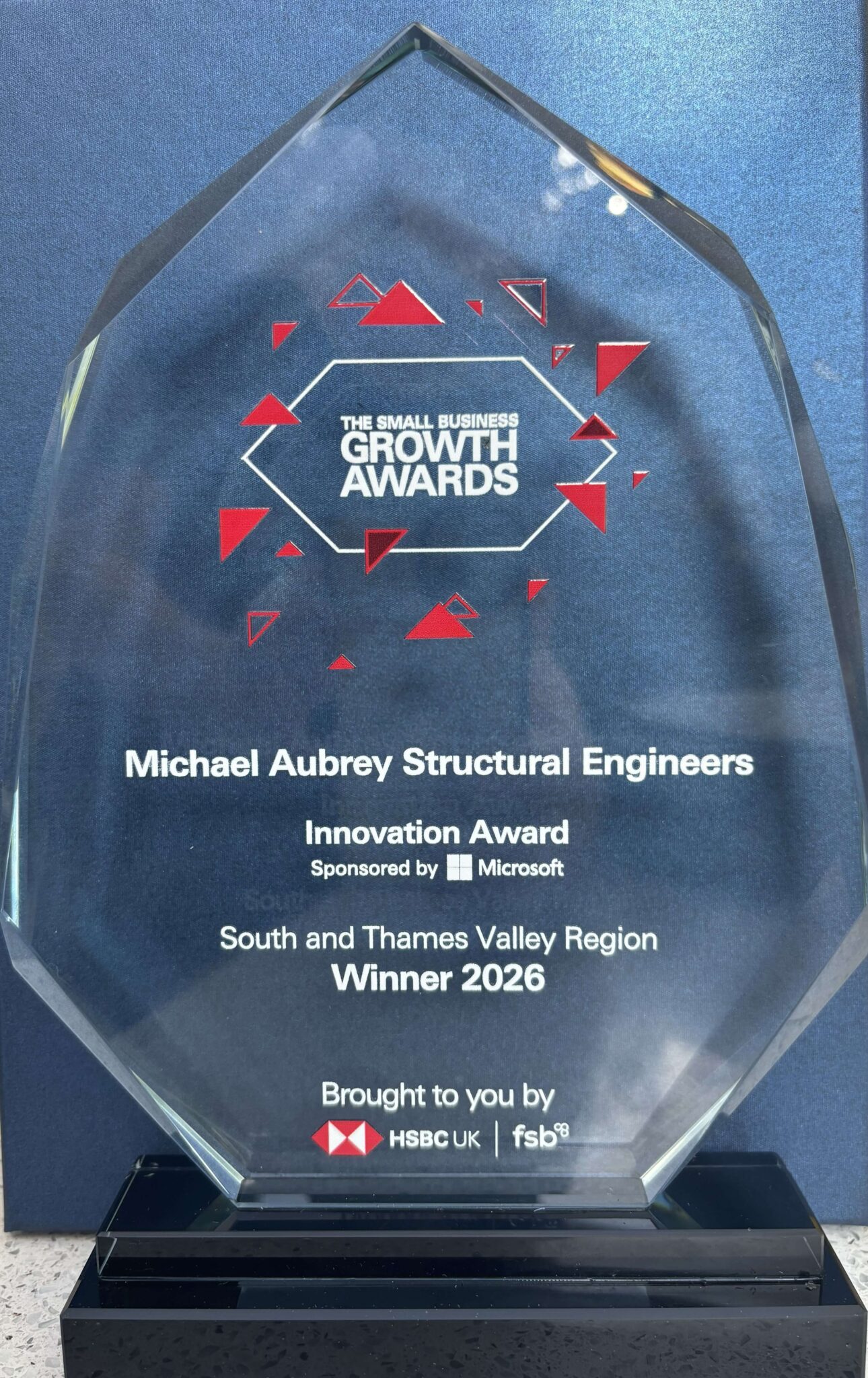
We’re delighted to have won the HSBC Innovation Award in recognition of our innovative engineering work in the field of RAAC repair!

The award may have been for our work in RAAC repair, but it reflects something that’s part of our day-to-day approach as engineers:

  • Understanding the problem properly and working out the best way to solve it.
innovation in structural engineering

What Innovation Means to Us

Innovation in structural engineering isn’t about reinventing proven principles or creating complexity where it isn’t needed. It’s about understanding how structures behave, understanding the problem in front of you, and applying sound engineering judgement to find the best solution.

Whilst codes and standards are essential, engineering is about more than simply following standard details. Every building, project and constraint is different, and sometimes the most effective solution comes from challenging assumptions and looking at the problem from a different angle.

For our clients, that often means solutions that are simpler to construct, more cost-effective, less disruptive and easier to deliver on site, whilst remaining safe and fully compliant.

The best engineering solution isn’t always the most complex. More often than not, it’s the one that achieves the required outcome in the simplest, most practical and most efficient way.

A Different Approach to RAAC Repair

Our work on RAAC repair is a good example of that thinking.

By challenging conventional assumptions and applying sound engineering principles, we’ve helped develop practical repair solutions that can provide an alternative to wholesale replacement in appropriate circumstances.

The result is an approach that can reduce disruption, minimise waste and deliver significant cost savings, whilst maintaining the safety and performance that clients rightly expect.

hsbc growth awards


sara davies


structural engineering innovation

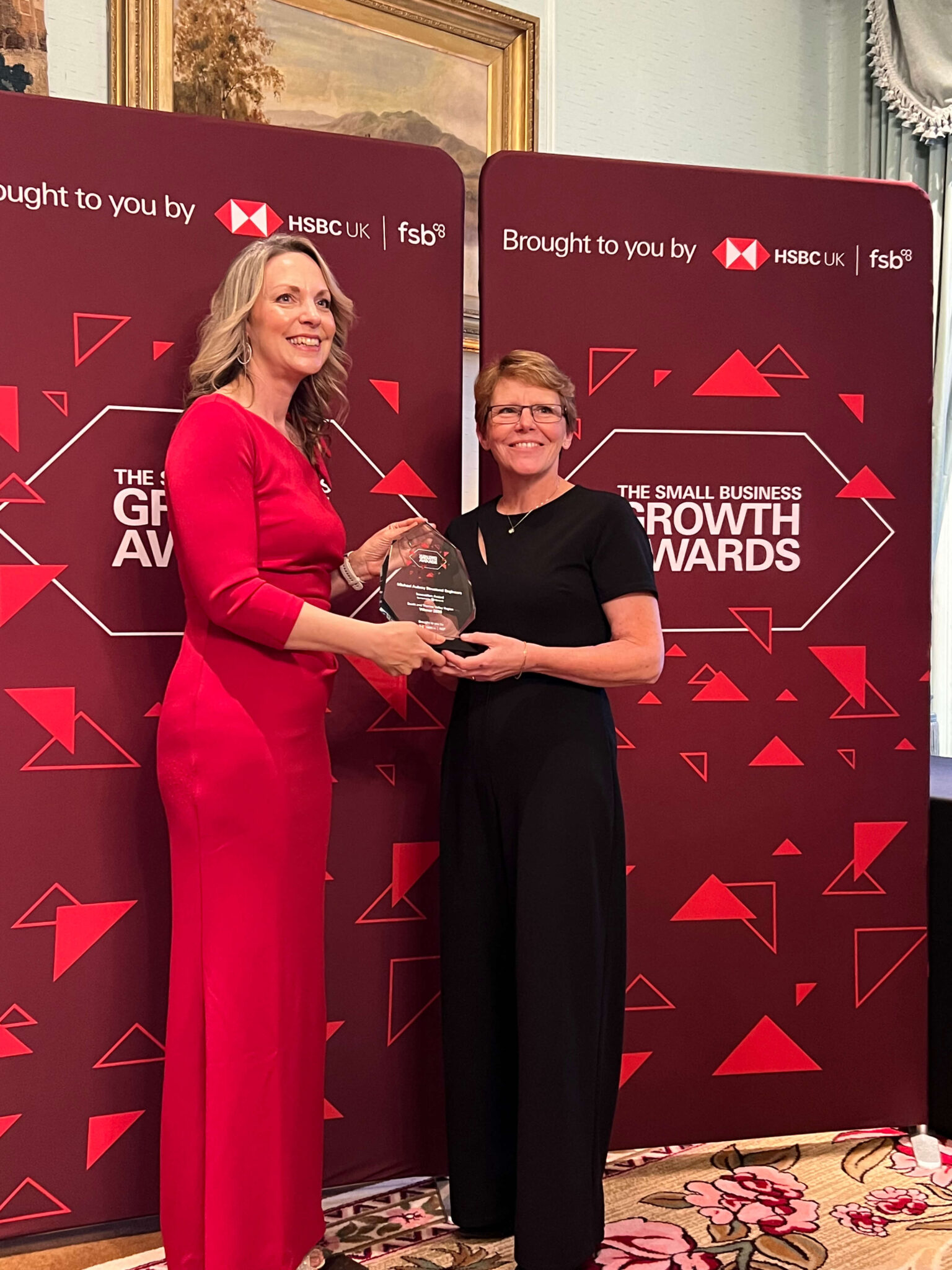
Winning the HSBC Innovation Award is fantastic recognition for our team and the way we approach structural engineering. We’d like to thank Sara Davies, MBE HSBC and the Federation of Small Businesses for hosting the awards and congratulate all the other finalists and winners.

As engineers, we’ll continue doing what we’ve always done: solving problems, challenging assumptions and looking for better ways to do things – a fantastic evening!

To read more about the evening, click here

raac repair

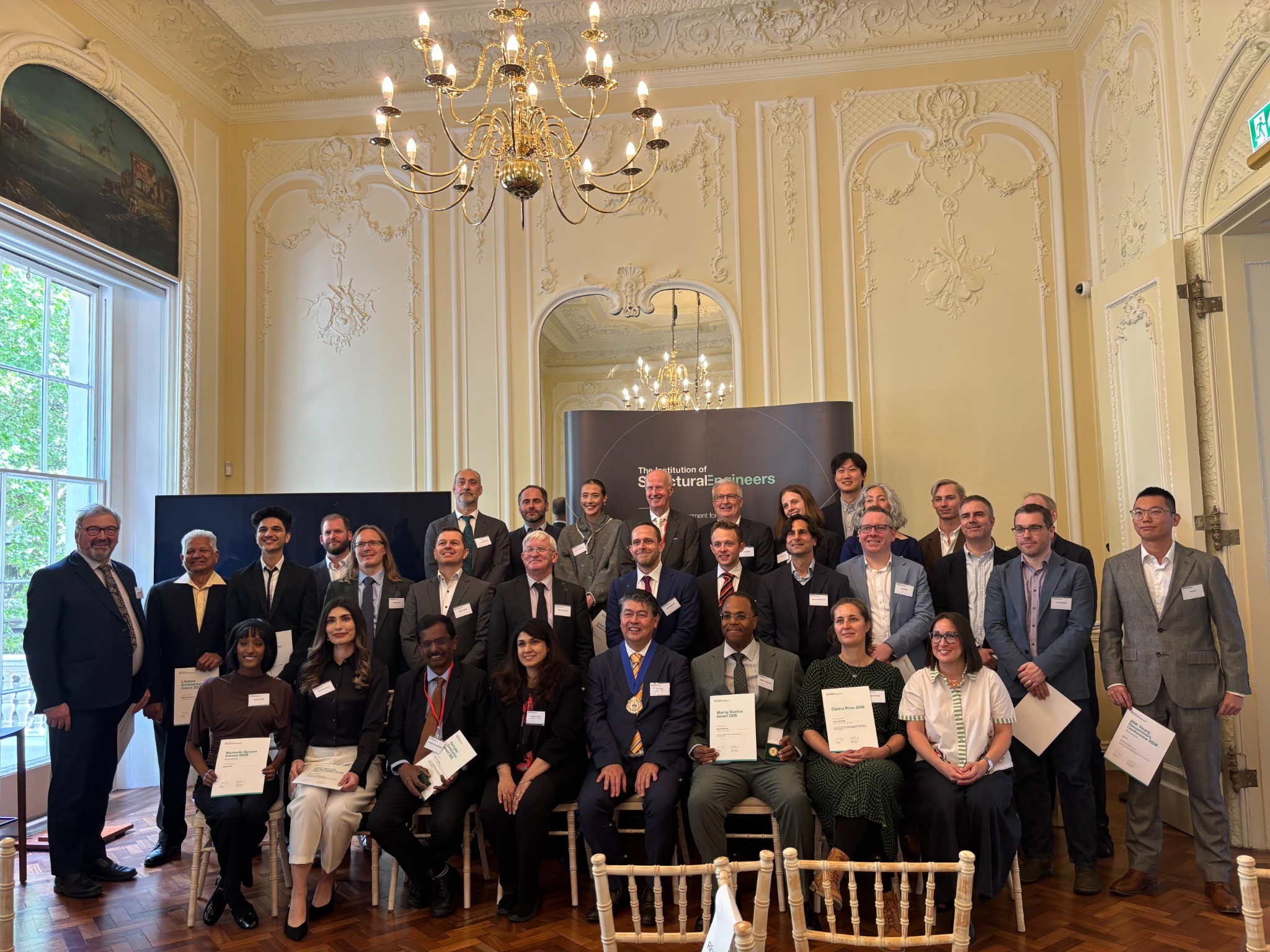
We were incredibly proud to celebrate our Managing Director, John Staves, receiving the prestigious Lifetime Achievement Award 2026 from the Institution of Structural Engineers.

The Lifetime achievement award recognised individuals who had made an exceptional contribution to the structural engineering profession throughout their career and represented one of the Institution’s highest honours.

John was formally recognised at the Institution’s annual People and Papers Awards ceremony on Friday 15 May 2026 at the iconic 10–11 Carlton House Terrace in London.

Celebrating the People, Ideas and Innovations Shaping the Future of Structural Engineering

Hosted by 2026 IStructE President Brian Uy and Chief Executive Yasmin Becker, the event celebrated the people, ideas and innovations shaping the future of structural engineering, alongside outstanding contributions to research and technical knowledge.

Over the course of his career, John established a reputation for technical excellence, practical problem-solving and an unwavering commitment to the engineering profession. Through his leadership at Michael Aubrey Structural Engineers, he played a significant role in delivering complex structural engineering projects, mentoring engineers within the industry and driving innovation across the sector.

Those who worked with John knew not only his exceptional engineering knowledge, but also his approachable nature, integrity and willingness to support colleagues and clients alike.

people and papers award


The award reflected the enormous respect John earned throughout the profession over many years and was a fitting recognition of his contribution to structural engineering.

Everyone at Michael Aubrey Structural Engineers was delighted to see John receive this well-deserved honour and it was a proud moment for the entire team.

Congratulations John on an exceptional achievement!

The crack in the wall wasn’t actually the problem.

The ground disappearing beneath the building was.

cracking


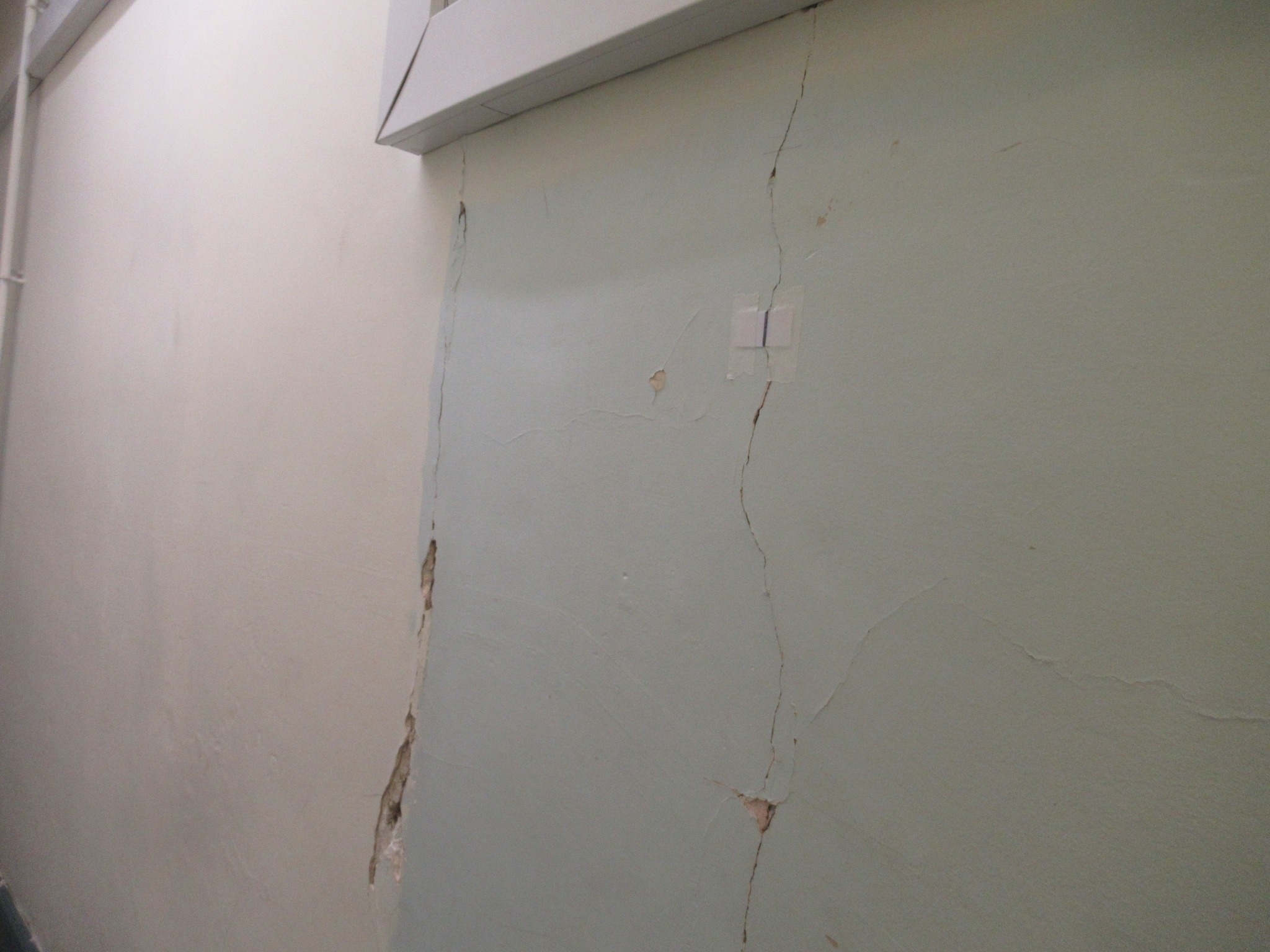
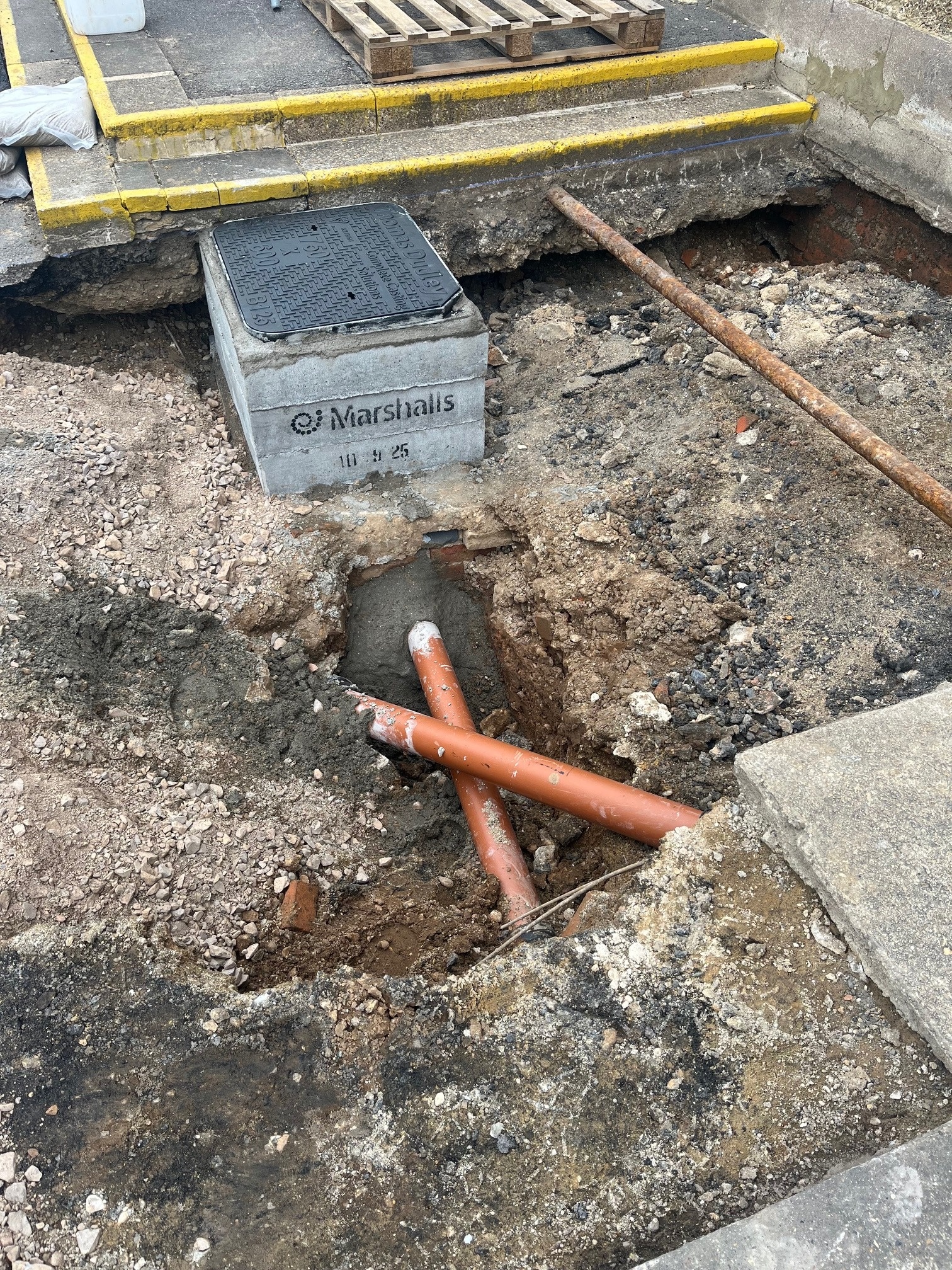
We were recently asked to look at cracking and localised movement beside a large historic building.

At first glance, it looked like a fairly typical movement issue. But further investigation revealed something much more serious.

A sinkhole had formed next to the building.


Our investigation identified a likely link between the drainage system and the movement we were seeing. The site sits on sand and gravel over chalk bedrock, conditions that can become problematic when drains leak over long periods of time.

leaking drains

As water escapes into the ground, it can wash out fine material within the soil and create pathways into the chalk below. Over time, this can lead to voids forming beneath the surface.

Once movement starts, the problem often gets worse quickly:

  • movement damages drains
  • damaged drains leak more
  • more water enters the ground
  • further movement occurs

On older sites, especially where drainage systems are ageing, these problems can stay hidden for years before signs begin appearing inside the building.

The defects we observed included:

  • cracking to masonry
  • movement above openings
  • sloping floors
  • ceiling cracking
  • drainage defects
  • localised settlement

To understand the extent and cause of the movement, we recommended:

  • CCTV drainage surveys
  • trial pits and boreholes
  • dynamic probing
  • crack monitoring
  • satellite ground movement monitoring

Importantly, repairing cracks before understanding the underlying cause can be a costly mistake.

Too often, cosmetic repairs are carried out while the actual mechanism causing the movement remains active beneath the building.

This is why structural investigations matter.

At Michael Aubrey Structural Engineers, a large part of our work involves diagnosing existing building problems and understanding why movement is occurring, not just repairing the symptoms.

#StructuralEngineering #Sinkhole #Subsidence #GroundMovement #BuildingDefects #StructuralInvestigation #structuraldetective


Cracks are often treated as the problem. In reality, they’re usually the warning sign.

The real question is: what’s happening beneath the surface?

Call us today if you have any concerns about properties you own or manage. t. 0118 962 9666

RAAC Repair

Winning the Innovation Award at the HSBC / FSB Small Business Growth Awards last night was a proud moment for our team but more importantly, it reflects the growing need to solve a very real and pressing challenge across the UK: RAAC (Reinforced Autoclaved Aerated Concrete).

RAAC has become a significant concern in many buildings, raising questions around safety, disruption, and cost. Traditional approaches often lean towards extensive intervention or even demolition. But in live environments, schools, hospitals, and commercial buildings, that’s rarely practical.

Our focus has been different.

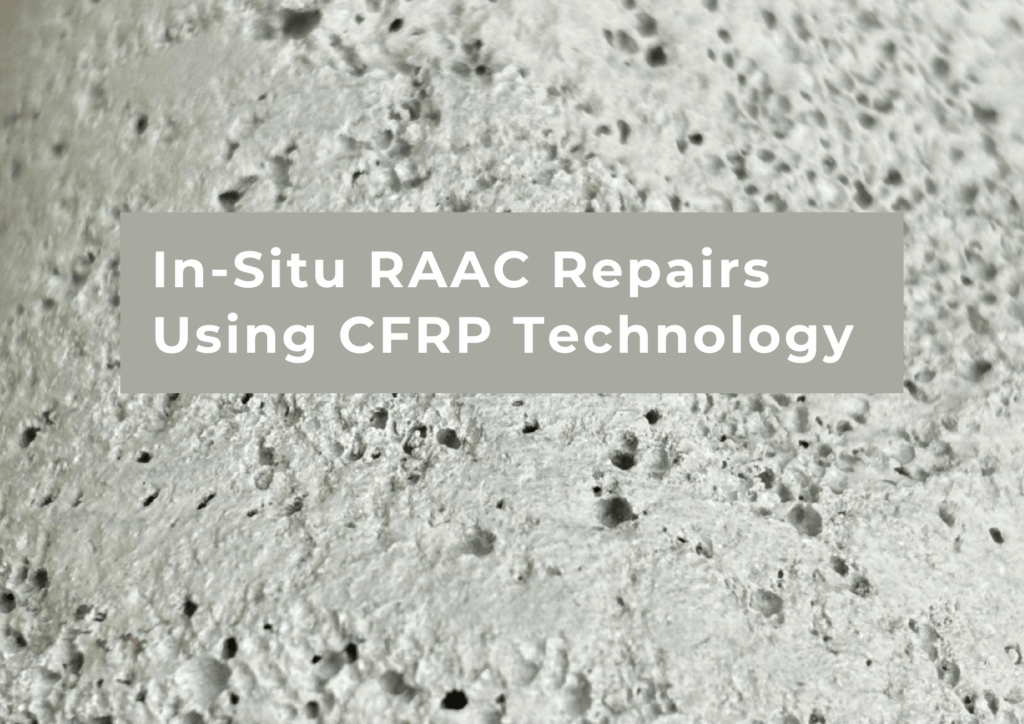
Rather than removing the problem entirely, we’ve developed an in-situ RAAC repair solution using FRP (Fibre Reinforced Polymer). This approach allows structures to be strengthened without demolition, reducing both cost and disruption while keeping buildings operational.


RAAC solution


awards hotel


This is where innovation matters most, not in theory, but in application. It’s about taking a complex structural issue and finding a way to make it workable in the real world, on real projects, with real constraints.

The success of this solution is down to the team behind it. It’s taken a combination of technical expertise, creative thinking, and persistence to bring it from concept to practical use on site.

Recognition from HSBC and the Federation of Small Businesses is hugely appreciated but the real reward is seeing this approach being used to make buildings safer, more efficiently.

As RAAC continues to present challenges, the industry needs solutions that are not just innovative but deliverable.

Following recent decisions by some Building Control authorities to introduce a blanket ban on approving screw pile foundations, it’s a timely moment to pause and examine what’s really going on.

In a recent discussion with John Staves, Chartered Structural Engineer and the UK’s screw pile specialist, one thing became immediately clear:

Building Control concerns are justified, but the terminology is muddying the waters.

The Root of the Problem: Terminology Confusion

The phrase “screw pile” is being used too loosely.

In practice, it’s often incorrectly applied to two very different systems:

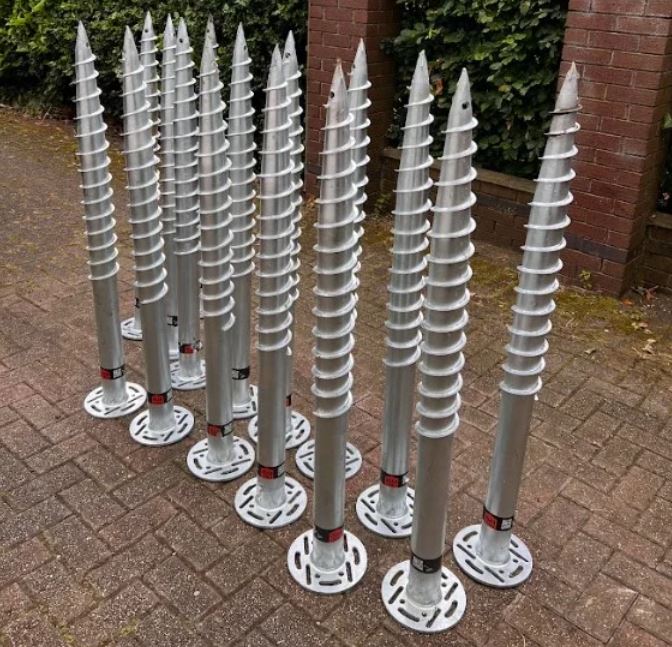
  • Ground screws (lightweight, shallow, friction-based systems)
  • Helical piles (engineered, deep, end-bearing systems)

This confusion is not just semantic it has real structural consequences.

ground screws

Image: Lux Garden Rooms


What Is a Ground Screw?

Ground screws are typically:

  • Up to 2m in length
  • Installed from the surface (handheld or small machinery)
  • Variable in form, ranging from large threaded screws to twisted square bars


How Ground Screws Work

Ground screws rely primarily on:

  • Shaft friction
  • Resistance from the surrounding shallow soil

This means their performance is entirely dependent on the condition of the soil along their full length.

The Critical Weakness

Ground screws are often used in unsuitable conditions, especially:

  • High shrinkability clay
  • Areas within the zone of influence of trees
  • Sites requiring deeper, stable bearing strata

If the top 50–100cm of soil dries and shrinks (common in clay), you lose capacity immediately.

A recent example:

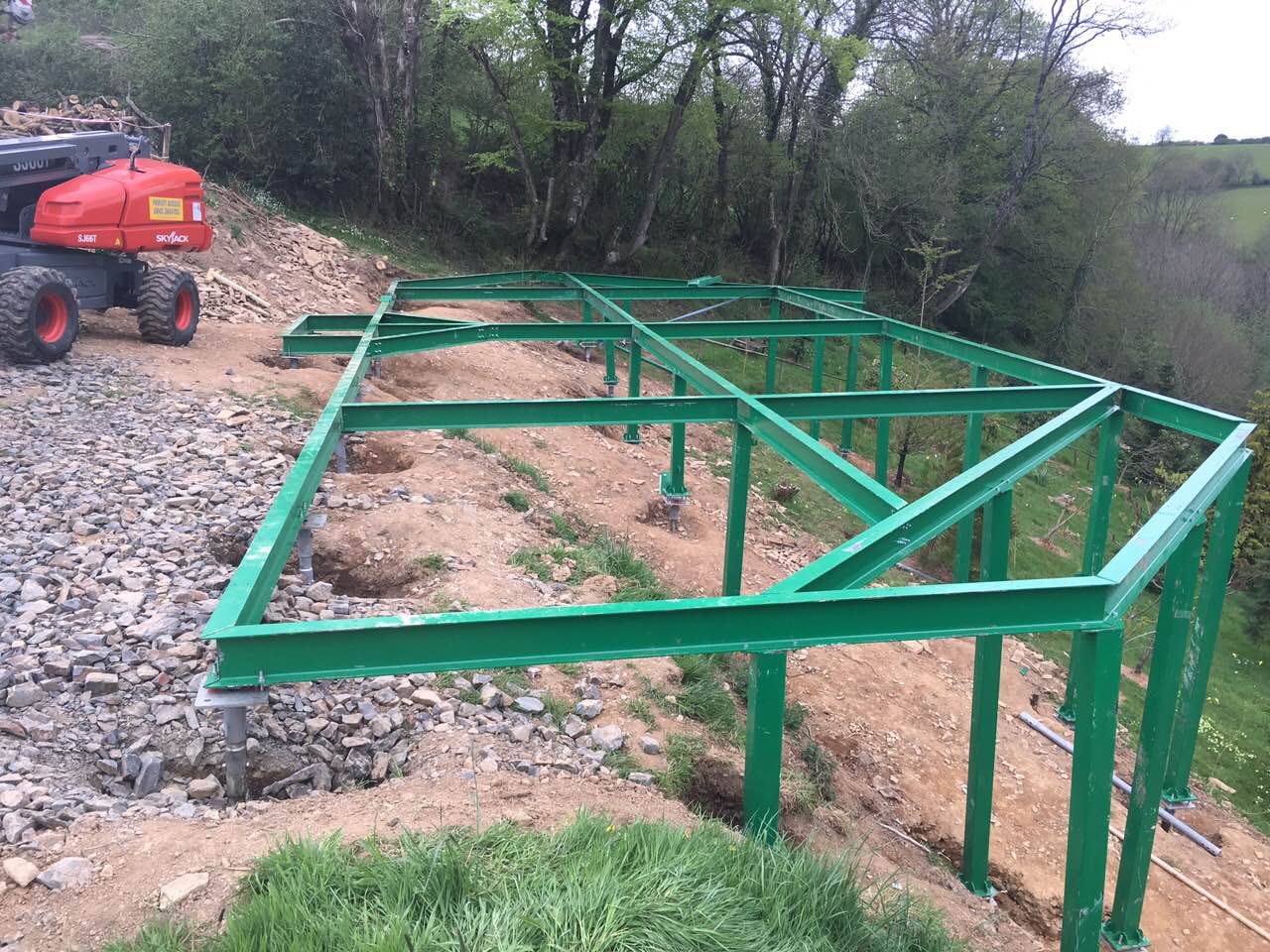
We were approached by a homeowner who had installed a garden room using ground screws (1.2m deep) in high shrinkable clay, located 5m from an oak tree, and he was experiencing seasonal movement.

As moisture levels changed, the clay expanded and contracted, causing the structure to rise and fall, just like a shallow foundation.

It was suggested an attempted fix would be to excavate around the ground screws and backfill with concrete – this would only make matters worse, creating an irrecoverable and poorly performing shallow pad foundation.

A more appropriate fix would have been helical piles to 4m depth.


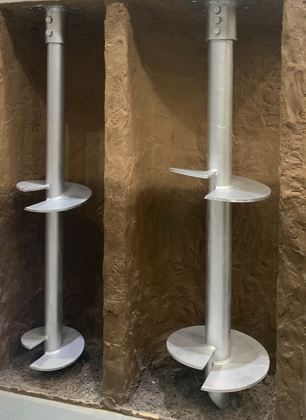
What Is a Helical Pile (True “Screw Pile”)?

Helical piles are a completely different technology.

They consist of:

  • A central steel shaft
  • Discrete helical plates (helices) welded at intervals
  • Modular extensions to achieve depth


How Helical Piles (Screw Piles) Work

  • End-bearing system
  • Load is transferred through the helices into deeper, more stable strata
  • Not reliant on shallow soil conditions

Unlike ground screws, they are engineered foundation solutions.


Why Helical Piles Perform Differently

  1. Load Transfer Mechanism
  • Helical piles: End-bearing through helices
  • Ground screws: Shaft friction in upper soils

This is the fundamental difference.

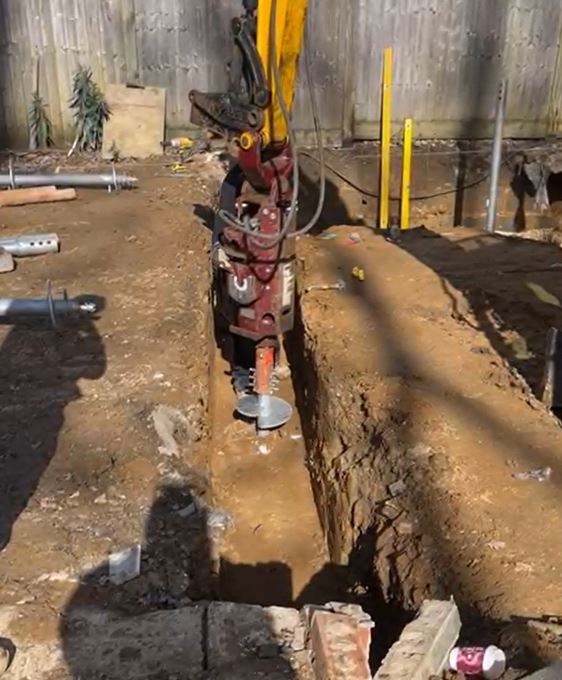
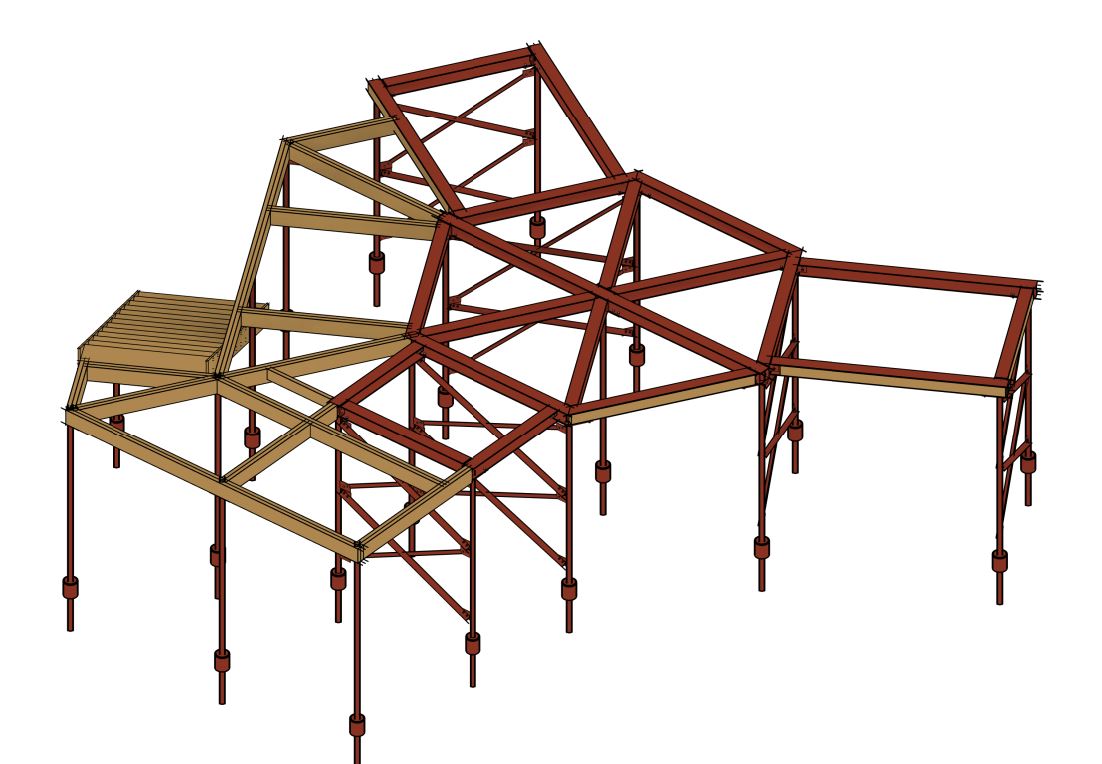
screw piles on site


  1. Depth and Stability

Helical piles are installed in sections, allowing them to:

  • Reach deeper competent strata
  • Avoid influence zones (e.g. tree roots, shrink/swell zones)

Ground screws cannot achieve this in any meaningful way.


  1. Torque = Capacity (A Critical Advantage)

One of the most powerful features of helical piles is:

Installation torque directly correlates with load capacity

  • Higher torque = stronger ground = higher capacity
  • Measured in real time during installation using calibrated equipment

This gives Building Control something rare: on-site validation of performance as the foundations are installed. No waiting for concrete to cure. No waiting for testing.

  1. Engineered Design vs “Off-the-Shelf”

  • Ground screws:
    • Typically selected from catalogues
    • Rarely designed for site-specific soil conditions
  • Helical piles:
    • Designed using:
      • Site investigation data
      • BGS records
      • Trial installations (torque testing)


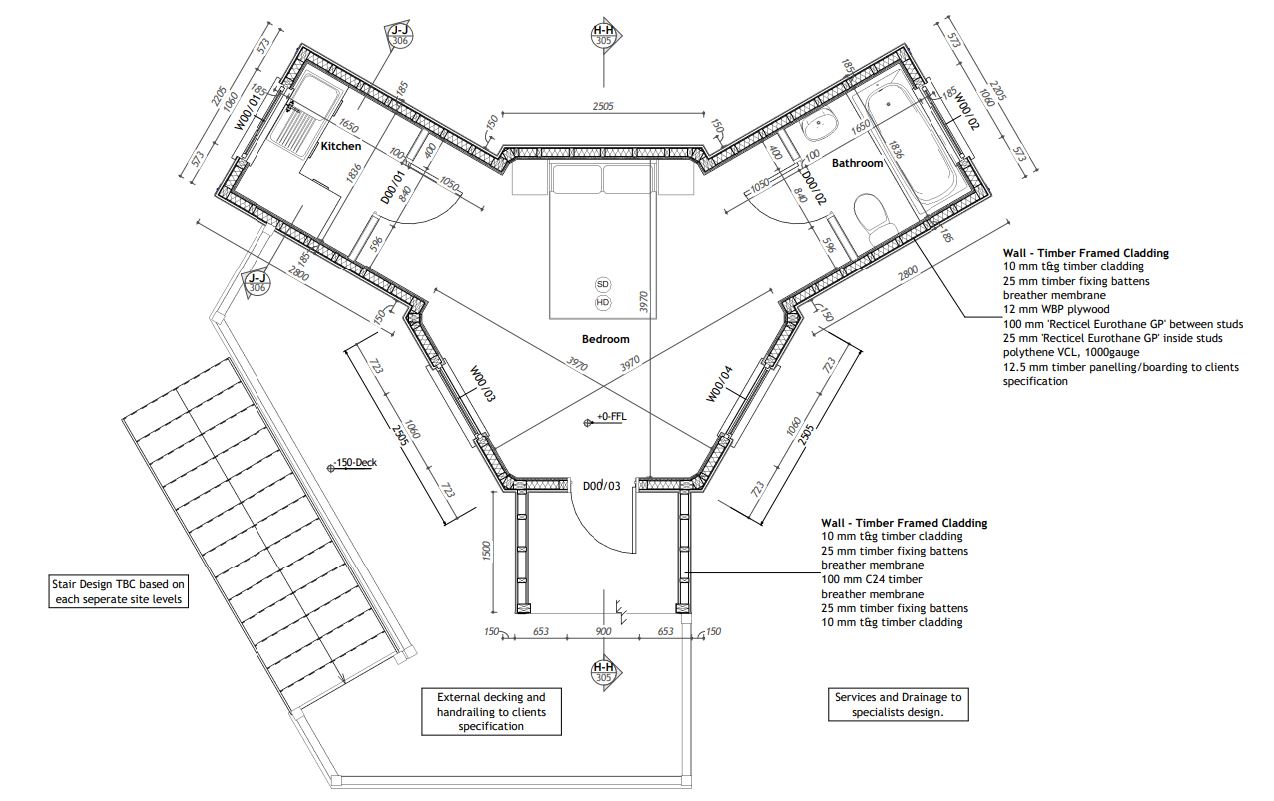
screw piles log cabin


Installation and Design Detail (What Good Looks Like)

Helical pile helices are:

  • Circular steel plates
  • Cut and formed into a spiral
  • Welded at specific angles and spacing

Spacing is critical:

  • Typically 3x the diameter of the helix
  • Ensures efficient load transfer and avoids interaction between plates

These aren’t lightweight components they are:

  • Thick-walled steel shafts
  • Designed to withstand high installation torque (often the maximum stress they will ever experience)

Why Building Control Is Right to Be Concerned

The issue is not that “screw piles don’t work.”

It’s that:

Ground screws are being used where engineered deep foundations are required.

They may perform adequately in the short term, but:

  • They remain vulnerable to shallow ground movement
  • They behave like shallow foundations
  • They do not address geotechnical risks

Where Ground Screws Do Work

To be fair, ground screws have a place:

  • Lightweight structures
  • Stable, granular soils
  • Situations without shrink/swell risk

But they are not a universal foundation solution.

screw piles sloping site

How Building Control Can Move Forward

Rather than a blanket ban, a more robust approach could be:

  1. Demand Engineered Solutions

    • Require site-specific design
    • Distinguish clearly between ground screws and helical piles
  1. Require Torque Verification

    • Calibrated torque heads
    • Digital readouts
    • Data logging of installation
  1. Encourage Validation Testing

    • Trial installations to confirm design assumptions
    • Adjust depth based on achieved torque

The Case for Helical Piles

When properly designed and installed, helical piles offer:

  • No spoil removal
  • Immediate load-bearing capacity
  • Suitability near tree roots (displacement installation)
  • Adaptability to variable ground conditions
  • Real-time verification of capacity


Conclusion

The current concern from Building Control authorities is both understandable and justified.

What’s being challenged is not the principle of screw pile foundations but the misuse and misunderstanding of two very different systems.

Ground screws and helical piles are not interchangeable. One relies on shallow soil conditions and is highly susceptible to environmental changes; the other is an engineered, verifiable deep foundation solution designed to perform reliably across a range of ground conditions.

For Building Control officers, the key lies in clarity and specification ensuring that what is being proposed is appropriate for the ground conditions, properly designed, and capable of being verified on installation.

We’ve recently been approached by several Building Control officers, planners, and architects asking for our perspective on screw piles and their appropriate use.

Want to Find Our More? Register For Our Webinar

Please email support@mapl.co.uk -and we’ll be in touch!


Related Blog;  Ground screws vs helical piles – what’s the difference?

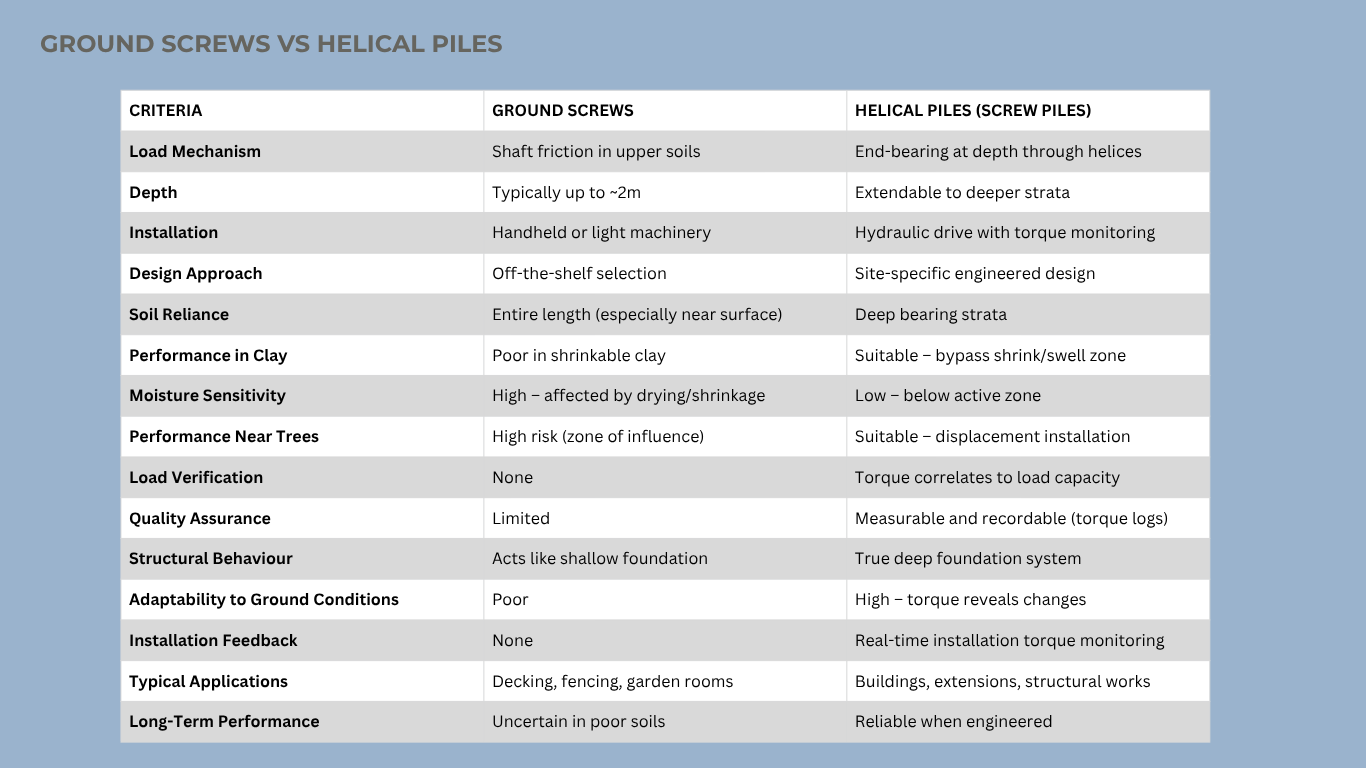
Ground Screws vs Helical Piles

Ground Screws

Ground screws are often marketed as an alternative to traditional concrete foundations and in some situations, they’re a perfectly reasonable choice. But it’s worth being clear about what they are from an engineering point of view.

ground screws

Image credit: Lux garden rooms


A ground screw is essentially a proprietary product.

It’s usually selected from a manufacturer’s range using standard load tables and basic assumptions about the ground conditions, rather than being designed specifically for the structure or the site.


There is usually:

  • Limited or no project-specific design
  • No verification of load capacity during installation
  • An assumption that the ground conditions are suitable and consistent

This makes ground screws ideal for:

  • Lightly loaded structures
  • Temporary or non-critical applications
  • Situations where speed and minimal disruption are priorities

From an engineering standpoint, they are a convenient solution but not a fully verified one.

Ground Screws vs Helical Piles

Helical Piles

Helical piles might look similar at first, but they’re a different thing altogether.

They’re not just selected from a range they’re designed to suit the structure and the ground they’re going into.


Each pile is:

  • Engineered to suit the load requirements of the building
  • Designed based on site-specific ground conditions
  • Installed using controlled torque, which provides real-time verification of capacity


The helical plates (or flights) are not just there to “screw it in” they are critical structural elements that:

  • Transfer load efficiently into competent strata
  • Control settlement
  • Provide predictable performance

This makes helical piles suitable for sites where:

  • Poor or variable ground conditions
  • Restricted site access
  • Tree roots nearby
  • High water tables
  • Sloped or uneven site
  • Retrofitting or underpinning


The Key Difference Between Screw Piles and Helical Piles

The distinction is straightforward:

  • Ground screws are selected from standard manufacturer data
  • Helical piles are designed to suit the structure and the ground conditions

difference between screw piles and helical piles

Why This Matters

The issue arises when the two are treated as interchangeable.

Using a ground screw in place of a designed foundation introduces uncertainty:

  • Settlement behaviour is less predictable
  • Load capacity is assumed rather than demonstrated
  • Long-term performance depends heavily on ground variability

With helical piles, the approach is different:

  • Capacity is derived from design and verified during installation
  • Load transfer is taken into competent strata
  • Performance is more predictable and measurable


Final Thought

For lightly loaded structures, ground screws can be a practical solution.

But once you’re dealing with a building, the foundation becomes a structural element.

At that point, it’s no longer about selecting a product it’s about designing a foundation system with known and verifiable performance.


Related blog: Why Building Control is raising concerns about screw pile foundations


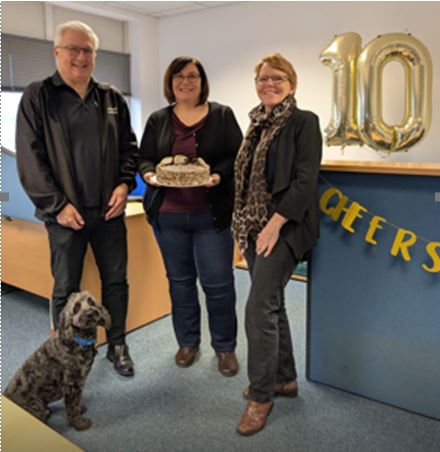
Every successful engineering practice has a few people who keep everything running smoothly in the background, people who quietly hold the whole operation together while the rest of us are out on site, solving problems, and meeting clients.

For us, that person is Leigh-Ann.

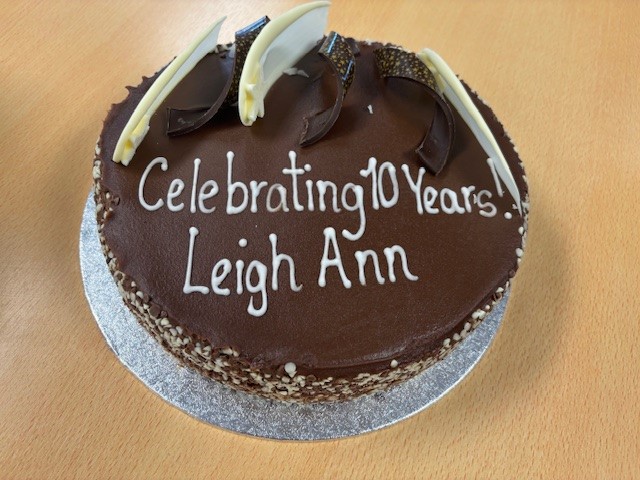
This year marks 10 years since she joined our team, and it’s hard to imagine the business without her. She is the calm in the storm, the voice of reassurance for clients, and the steady hand that keeps the wheels turning every single day.

The Centre of Our Operations

As our Office Manager, Leigh-Ann oversees the parts of the business most people never get to see, workflows, scheduling, documentation, communication, finance coordination, project admin, and the endless details that stop chaos from creeping in.

  • If something needs doing, she’s already on top of it.
  • If something needs organising, she’s usually done it before you’ve asked.
  • And if something unexpected happens (as it often does in construction), she is the person who calmly brings everyone together to find a solution.


Exceptional Client Interaction

One of the things clients consistently comment on is how smooth and clear their experience feels from the moment they pick up the phone.

That’s down to Leigh-Ann.


She makes sure clients get the information they need, know what to expect next, and feel looked after at every touchpoint.

Her communication is warm, professional, and unfailingly reliable, qualities that make a huge difference when people are navigating technical projects, deadlines, and the stresses that come with them.

The Person Who Makes It All Work

Behind every report delivered on time, every site visit scheduled without a clash, and every project that feels “under control,” there is a huge amount of unseen coordination. Leigh-Ann is the person who brings all of that together.

  • She keeps the business organised.
  • She keeps the team supported.
  • She keeps our standards high.

Her work may not always be front and centre, but it is absolutely fundamental to everything we deliver.

A Decade of Dedication

Ten years is a long time in any business, especially in an industry as fast-moving and unpredictable as ours. Leigh-Ann has been with us through major projects, big changes, challenges, and successes—and her commitment has never wavered.

We are incredibly grateful for everything she brings to the team:
her organisation, her problem-solving, her professionalism, her humour, and her unwavering reliability.

Here’s To The Next Chapter

Please join us in celebrating 10 years of Leigh-Ann a decade of hard work, care, consistency, and the kind of behind-the-scenes excellence that makes a company truly exceptional.

Thank you, Leigh-Ann, for everything you do.

We couldn’t do it without you. Hopefully you can celebrate with afternoon tea and cake!

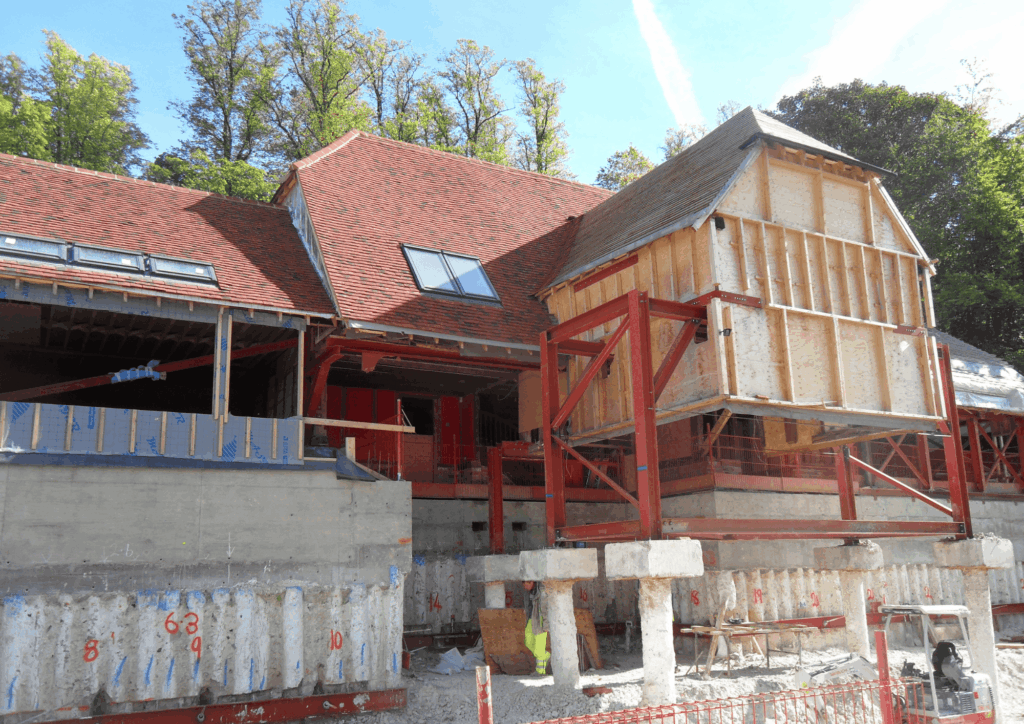
Temporary Works

When we were approached by the team working on a Grade II listed pub, the project already had a structural engineer overseeing the permanent works design.

But there was one problem; no one wanted to take on the temporary works.

For a building with such significant heritage value and real constraints on what could and couldn’t be touched, temporary works weren’t just a technical requirement. They were a risk-management exercise, a heritage-sensitive responsibility, and a structural puzzle all in one.

And that’s exactly the type of challenge we love.

The Challenge: Support the Structure Without Damaging It

Because the building was listed, the contractor needed temporary support that:

  • avoided damage to the historic fabric
  • minimised the physical impact on the structure
  • adapted to tight space and access constraints
  • kept the workforce safe during all phases of construction

The existing structural engineer had already designed the permanent works but didn’t want to take responsibility for the more complex temporary works design.

That’s where our team stepped in.

Our First Step: Review, Assess, and Re-Think

Before putting pencil to paper, we:

  • reviewed the permanent works design from the existing engineer
  • carried out our own structural assessment and load calculations
  • considered how the temporary works would interact with the permanent solution
  • identified potential risks that could affect heritage elements

Temporary works shouldn’t ever be a bolt-on. They need to work with the permanent design, not against it.


Phase 1: Temporary works design

Next: On-Site Discussions and Phasing Plan

Temporary works only succeed when the design reflects the reality of what’s happening on site. So we met the contractor on site to walk through the job, identify constraints, and talk sequencing.

Together, we developed a clear, safe approach to support the structure across four distinct phases, ensuring each stage:

  • maintained stability
  • protected historic features
  • allowed safe access
  • avoided unnecessary disruption
  • aligned perfectly with the contractor’s construction schedule

By thinking through the entire sequence, we allowed the contractor to progress confidently without stop–start complications.

Phase 2: Temporary works design


Phase 3: Temporary works design


Phase 4: Temporary works design

A Successful Outcome and a Chance to Celebrate

The project was a complete success.

The temporary works performed exactly as intended, supporting the structure, protecting the heritage fabric, and enabling the permanent works to be delivered safely and smoothly.

Last week, we were delighted to attend the pub’s reopening with Clare Truman, the heritage Architect who supported the project so thoughtfully from beginning to end.


Seeing the building sensitively restored, bustling with life again, and knowing we helped protect that history felt like a proud moment for the entire team.


Why Contractors Come to Us for Temporary Works

Permanent works engineers often don’t want the additional liability of temporary works design and we understand why.

Temporary works require:

  • rapid decision-making
  • deep understanding of construction sequencing
  • problem-solving in imperfect site conditions
  • flexible, adaptive design thinking

That’s where we specialise.

For contractors, this means they get designs that are not only structurally sound but also buildable, safe, and aligned with how the site actually works.


Get In Touch

If you’re planning a project where temporary works will play a critical role, we’d be happy to help. Get in touch to discuss your requirements. Call us on 0118 962 9666

Celebrating Special Moments in Our Team

At Michael Aubrey, we love celebrating not just the work we do, but the people who make it all happen. This month, we’re delighted to share two pieces of happy news from within our team.

First up, Josh, one of our talented Structural Engineers, has celebrated a milestone birthday, the big 3–0!

Josh is known for his steady approach, practical problem-solving, and willingness to get stuck into whatever a project needs. We’re thrilled to mark this special birthday with him and look forward to many more years of engineering brilliance!

And in equally joyful news, Hannah from our Architects team has recently got engaged!

Her creativity, attention to detail, and positive energy shine through in every project she works on, and we couldn’t be happier for her.

We wish her and her fiancé Cole all the happiness as they begin planning their future together.

These moments remind us that behind every drawing, calculation, and site visit are real people with lives worth celebrating.

Congratulations to Josh and Hannah, here’s to many more happy occasions across the team.